



Forty pallets of lobby furniture arrive on a Thursday. The installation window isn’t for another eight weeks.
This is a familiar problem for anyone managing a hotel renovation, restaurant remodel, or commercial build-out. FF&E (furniture, fixtures, and equipment storage) rarely arrives on the exact schedule your project does. Materials come in early, get pushed back, or need to be staged in phases. When your project space isn’t ready, where does it all go? And how do you make sure it’s in the right condition when you actually need it?
FF&E storage during a renovation is a logistics detail that often gets underestimated… until it becomes a problem. A misstep here, damaged materials, a retrieval delay, a missing shipment can stall an installation week and turn a manageable project into an expensive one. Getting it right upfront protects your materials, keeps your schedule intact, and takes a significant variable off your plate.
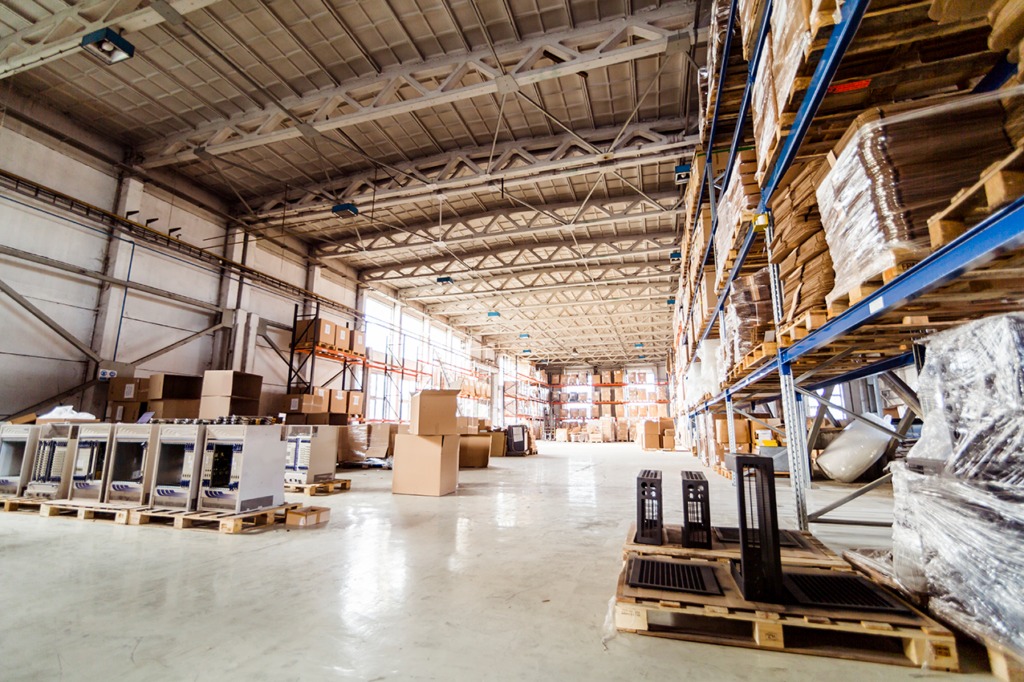
What Makes FF&E Storage Complicated During a Renovation?
Standard self-storage units aren’t built for commercial-scale materials. Hotel FF&E storage, medical supply storage, and restaurant equipment storage all require more than a standard locked unit.
The challenges stack up fast on a commercial-scale project:
- Volume. A commercial renovation often involves dozens to hundreds of individual items that need to be received, inventoried, and retrieved in a specific sequence as the installation progresses.
- Climate sensitivity. Upholstered seating, solid wood furniture, and electronics can warp, crack, absorb moisture, or corrode in unregulated storage environments. Eastern North Carolina’s humidity makes this a real concern year-round.
- Access timing. You need materials available when your installation schedule calls for them, not on whatever retrieval timeline the storage facility finds convenient.
- Chain of custody. When something is missing or arrives damaged at the install site, you need a documented record of what came in, what condition it was in, and when it moved.
These aren’t problems a storage unit down the street is designed to handle. They’re the reason FF&E storage is its own logistics discipline, and why the right commercial storage solution matters before materials ever leave the manufacturer.
Getting the details right on each of these points is what keeps a renovation on schedule and keeps you out of difficult conversations with property owners and project stakeholders.
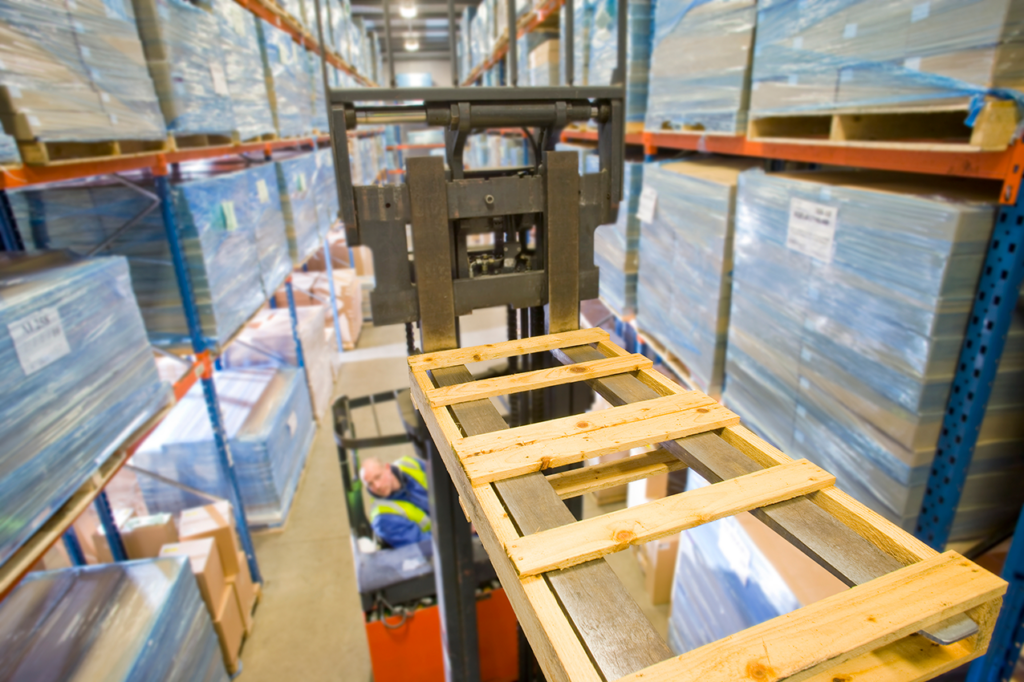
What Are the Risks of Getting Commercial Storage Wrong?
When FF&E storage is managed poorly, the consequences usually surface mid-project (which is the worst possible time).
Damaged materials mean replacement orders. Replacement orders mean lead times. Lead times mean schedule slips, and schedule slips mean a conversation with your client about why the opening date is moving. Upholstered furniture stored in a humid or uncontrolled environment can arrive at the installation site with mold or visible warping. Electronics that weren’t kept in a climate-stable space may fail during setup. Lobby pieces that were never properly inventoried can take hours to locate when your installation crew is standing by waiting.
There’s also the handoff risk. If your storage partner doesn’t have a documented intake process, you don’t have a clear record of what arrived, in what condition, and when it moved. When something doesn’t add up during installation week, that missing record becomes your problem to solve.
The cost of poor FF&E storage isn’t just the damaged item. It’s the replacement vendor call, the delay conversation, and the credibility hit that comes with a project that didn’t run as planned.

What Should You Look for in a Commercial Storage Partner?
Not every storage company is equipped to handle commercial renovation materials at volume. Here’s what to ask before you commit.
- Climate control is non-negotiable for most FF&E. Look for a facility that can explain specifically how temperature and humidity are managed, with government approval where applicable, not just one that uses “climate-controlled” as a general term without backing it up.
- Capacity and flexibility matter for phased projects. A renovation may require receiving and storing materials over several weeks, then releasing them in stages as installation windows open. You need a partner who can work around your project schedule, not one that operates on a fixed retrieval calendar.
- Security and monitoring should be standard. Around-the-clock camera surveillance, gated access, and documented intake procedures mean you have a verifiable record of what happened to your materials while they were in storage. This matters when you’re accounting for high-value items across a long project timeline.
- Coordination of pickup, delivery, and on-site staging. Ask whether your potential storage partner can receive your FF&E at the warehouse and deliver it directly to the installation site. This reduces the number of handoffs in the chain and keeps your chain of custody clean.
- Use an asset-based mover. An asset-based company owns its own warehouses and fleet. It’s not a broker that sells your job to a third party. That means one accountable team handles your materials from intake to delivery, with no handoffs to an unknown operator. When something comes up mid-project, you know exactly who to call.
- A dedicated point of contact. On a phased commercial project, you don’t want to re-explain your storage setup every time you call. Ask whether you’ll have a single contact. This keeps communication clean and accountable from the first delivery to the last.
Finally, ask whether they work regularly with commercial clients. A company with experience handling hotel FF&E storage, medical supply storage, or restaurant equipment understands the access and condition requirements differently than one whose primary business is household moves.
The right answers to these questions are what separate a storage partner who simplifies your project from one who adds a variable you have to manage on top of everything else.
If your project also generates records or archive materials that need secure handling, our sister company Patterson Record Storage and Shredding can take care of that too.

How Does Climate-Controlled Storage Protect Your FF&E?
Temperature and humidity fluctuations cause more damage to commercial materials than most project managers account for until it happens on their project.
Wood expands and contracts with moisture changes. Upholstery absorbs humidity and can develop mold or odor in an unventilated space. Metal fixtures corrode. Electronics degrade. In Eastern North Carolina, seasonal humidity can run high and temperatures swing significantly. This makes storing sensitive materials in an unregulated environment a real risk.
Government-approved, climate-controlled storage keeps conditions stable year-round. For items that came with manufacturer storage guidelines, this isn’t just best practice. It’s often the condition that keeps warranty coverage intact. If something arrives at the install site damaged and you can’t document that it was stored to specification, you’re absorbing that cost.
Short-term bridge storage, for materials that arrive before the space is ready, and long-term storage, for phased projects that unfold over months, both require the same baseline: a controlled environment that keeps your FF&E in the condition it arrived in.
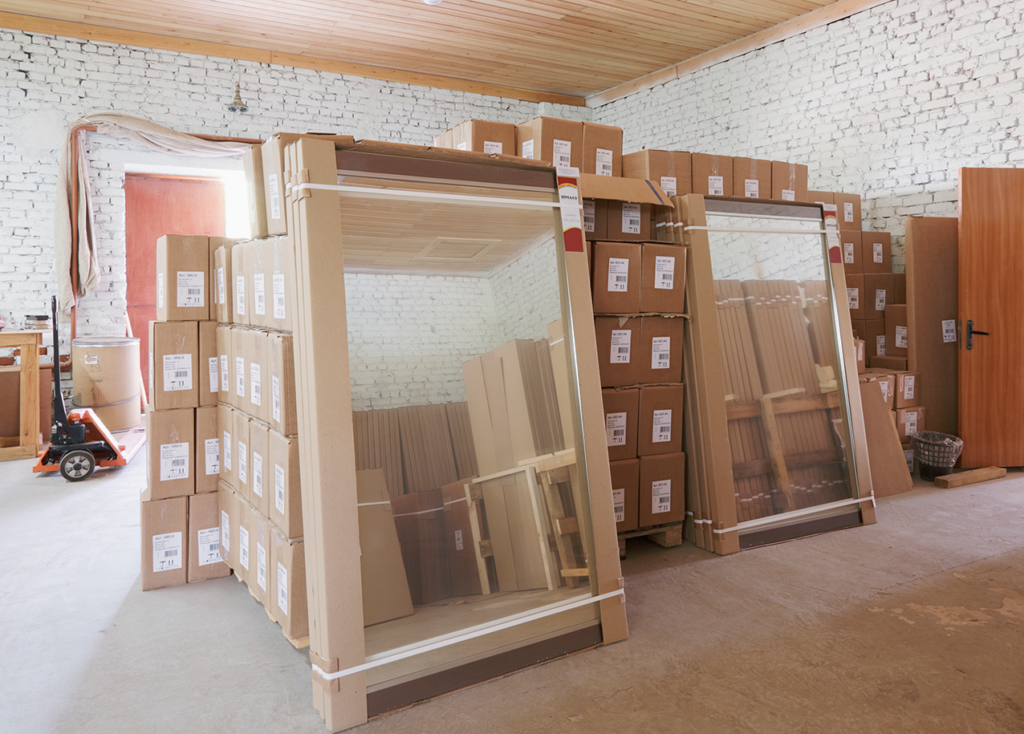
How to Plan FF&E Storage Before Materials Arrive
The best time to set up your commercial storage arrangement is before the first delivery lands. By then, you know your general project timeline, your volume requirements, and your installation sequence. A storage partner can set up an intake process, confirm capacity, and establish a retrieval protocol before your project gets underway.
What that planning conversation should cover:
- Delivery schedule and receiving hours at the storage facility
- Inventory and documentation process for incoming materials
- Access protocol for retrieving staged items as installation windows open
- Delivery logistics for getting materials from storage to the project site
- Climate and security specifications for your specific FF&E categories
Handling this early removes one of the more common sources of last-minute scrambling on renovation projects. When materials arrive and there’s already a plan in place, the project stays on track.
A renovation runs on a schedule. Your storage solution should too. When FF&E is secured, inventoried, and staged properly, you can stay focused on the project rather than tracking down where something is or untangling a damage claim mid-build.
Moving What Matters For Commercial Clients
Fidelity Moving and Storage is a family-owned company that’s been serving Eastern NC for more than fifty years. We’re asset-based movers who own and operate our own warehouses and fleet. Our climate-controlled, government-approved storage spans more than 160,000 square feet across Fayetteville and New Bern, with twenty-four-hour monitored security, gated access, and a dedicated point of contact for every project. We work with facilities managers, general contractors, and operations teams who need accountable, reliable commercial storage solutions that keep projects moving.
Looking for commercial storage in Fayetteville, NC / New Bern, NC? Give Fidelity Moving and Storage a call, and let’s make your project seamless.
FAQs About FF&E Storage
1. What’s FF&E storage, and why is it different from regular storage?
FF&E storage refers to the warehousing of furniture, fixtures, and equipment used in commercial renovations or build-outs. It differs from standard storage because commercial renovation materials often involve large volumes of climate-sensitive items that need to be received, inventoried, staged in sequence, and retrieved on a project timeline, requirements that most self-storage facilities aren’t built to meet.
2. Does FF&E need to be stored in a climate-controlled facility?
Most FF&E benefits from climate-controlled storage, particularly upholstered furniture, solid wood pieces, electronics, and any items with manufacturer storage specifications. In regions like Eastern North Carolina, where humidity is high and temperatures vary significantly by season, unregulated storage is a real risk for many common renovation materials.
3. How do I coordinate FF&E delivery and retrieval during an active renovation?
Work with a storage partner who can coordinate receiving, warehousing, and staged delivery to your installation site. Confirm they have a documented intake process so you know exactly what’s in storage, in what condition, and when it’s available for retrieval. Align their release schedule with your installation milestones before the first delivery arrives.
4. What should I ask a commercial storage company before using them for FF&E?
Ask whether the facility is climate-controlled and government-approved, how they handle intake and inventory documentation, whether they can stage and deliver materials directly to your project site, what security monitoring looks like, and whether they have experience with commercial renovation storage specifically. A company that can answer these clearly is one that’s built for the job.
5. Can a moving company also handle commercial storage for a renovation?
Some moving companies operate commercial storage facilities as part of their services. Look for a company that is asset-based (like Fidelity Moving and Storage), meaning they own their own warehouses and fleet rather than outsourcing either, that offers climate-controlled options, and that has direct experience with commercial clients managing renovation or build-out projects.

Thomas Kiser is the CEO of the Carolina Services Group of Companies and a third-generation mover who brings deep industry roots and a lifelong dedication to exceptional service. He began his career in the business during high school, spending his summers packing and moving, experiences that grounded him in the values of hard work, reliability, and customer care. Thomas attended Western Carolina University before serving in the United States Marine Corps as a Tank Platoon Commander, where he honed his leadership, discipline, and commitment to mission-focused execution.
Today, Thomas leads with a focus on delivering excellent service and tailored solutions to every customer. He serves on the North Carolina Movers Association board and chairs its Military Committee, helping strengthen partnerships, raise industry standards, and keep members informed on Department of Defense updates. He is also the recipient of the 2025 Mover of the Year award, which acknowledges his time and commitment to championing the common goals and wellbeing of North Carolina’s moving industry in support of the Department of Defense.
A longtime member of Highland Presbyterian Church, Thomas grew up in its community and previously served as an Elder. He is a proud father of two children who enjoy gymnastics and karate. Outside of his professional and community roles, Thomas can often be found at the beach, out deep-sea fishing, tournament fishing, hunting, cooking, or enjoying evenings around a bonfire or live music.
Thomas lives by the phrase “Live like Jay.” This phrase promotes living a life full of passion, kindness, and perseverance. Embracing a positive attitude, being happy, treating others well, and chasing your dreams and goals with determination.